One sensor value may carry measurement, receipt, and display times. Choose the timestamp that should drive history, freshness, latency, and backlog review.
Author
107 articles
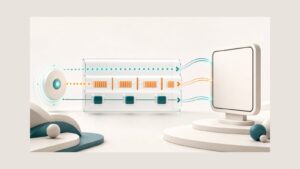
One sensor value may carry measurement, receipt, and display times. Choose the timestamp that should drive history, freshness, latency, and backlog review.
Reduce repeated raise-clear cycles by separating source faults, deadband, on-delay, off-delay, and the evidence required for staging tests.
A dashboard may retain the last reading after updates stop. Separate data age, heartbeat, and connection state to recognize an offline sensor.
Show each sensor reading with its QC status, flag reason, and review rule so suspect, failed, or missing records are not used without context.
Separate acquisition, logging, and transmission timing so a monitoring system captures meaningful change without unnecessary storage or network load.
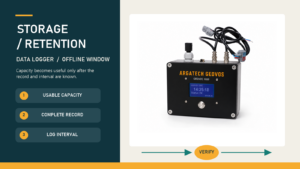
Storage capacity alone does not tell you how long records last. Estimate data logger retention and verify recovery after connectivity returns.
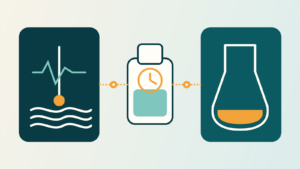
Trace differences between online and laboratory data through six checks covering method, timing, samples, sensor condition, data processing, and acceptance.
Recognize water quality sensor fouling, separate cleaning issues from calibration drift, and set maintenance intervals from site conditions and data risk.
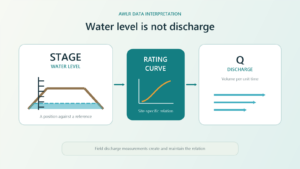
Learn why an AWLR measures water level rather than discharge directly, and how field gaugings create a site-specific rating curve for monitoring.
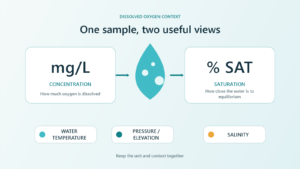
Distinguish dissolved oxygen in mg/L from percent saturation. Learn how temperature, pressure, salinity, and system settings affect interpretation.