Vented vs Non-Vented Hydrostatic Level Sensors: Barometric Compensation and Field Reliability
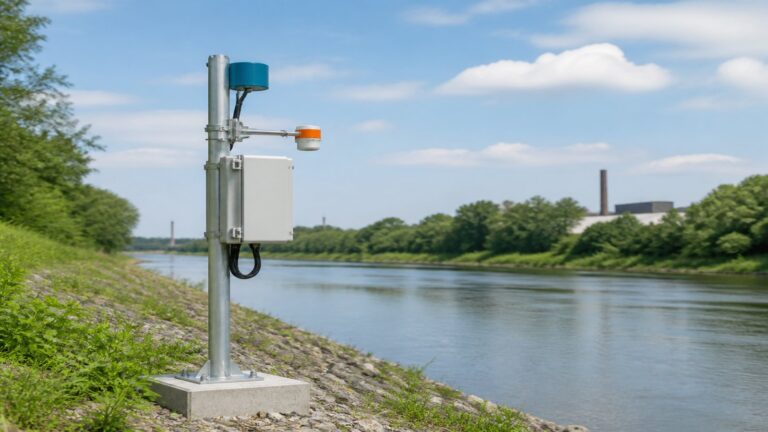
Guide to choosing vented vs non-vented hydrostatic level sensors, mitigating capillary condensation risks, and automating barometric compensation.

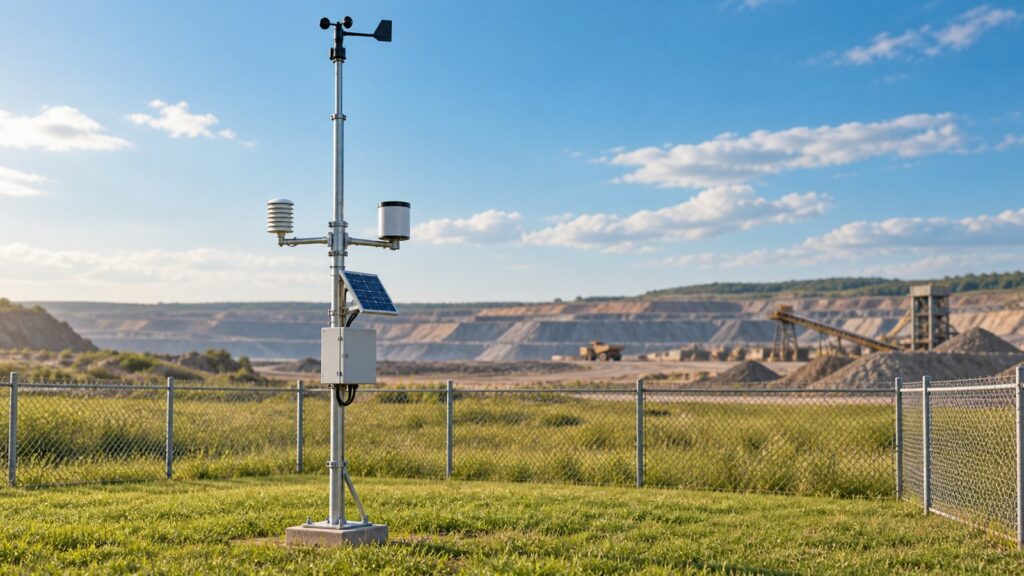
Poor weather station placement can cause 50% data bias. Learn the WMO-No. 8 and Indonesian BMKG siting standards for AWS sensors in industrial and mining sites.
Guide to choosing vented vs non-vented hydrostatic level sensors, mitigating capillary condensation risks, and automating barometric compensation.

Learn how to mathematically convert raw µg/m³ pollutant data from your AQMS sensors into the official Indonesian Air Pollution Standard Index (ISPU).
Calibration standard solution shelf life in field: discard opened pH buffers, danger CO2 absorption, USGS handling guidelines.
Selection guide for wetted sensor materials in corrosive industrial wastewater: comparing PTFE, PVDF, Hastelloy C-276, Tantalum, and Titanium.
SPARING data completeness thresholds of 85% and 100% aren't in P.93 or P.80, they come from PROPER 2025. Here's what that means for your facility.
P.93/2018 doesn't set a minimum uptime for SPARING. The 85% daily rule and 100% reporting requirement actually come from PROPER. Learn the compliance impact.