Weather Station: How Weather Monitoring Works
Weather Station is an automatic weather monitoring system that helps read local weather conditions in real time.
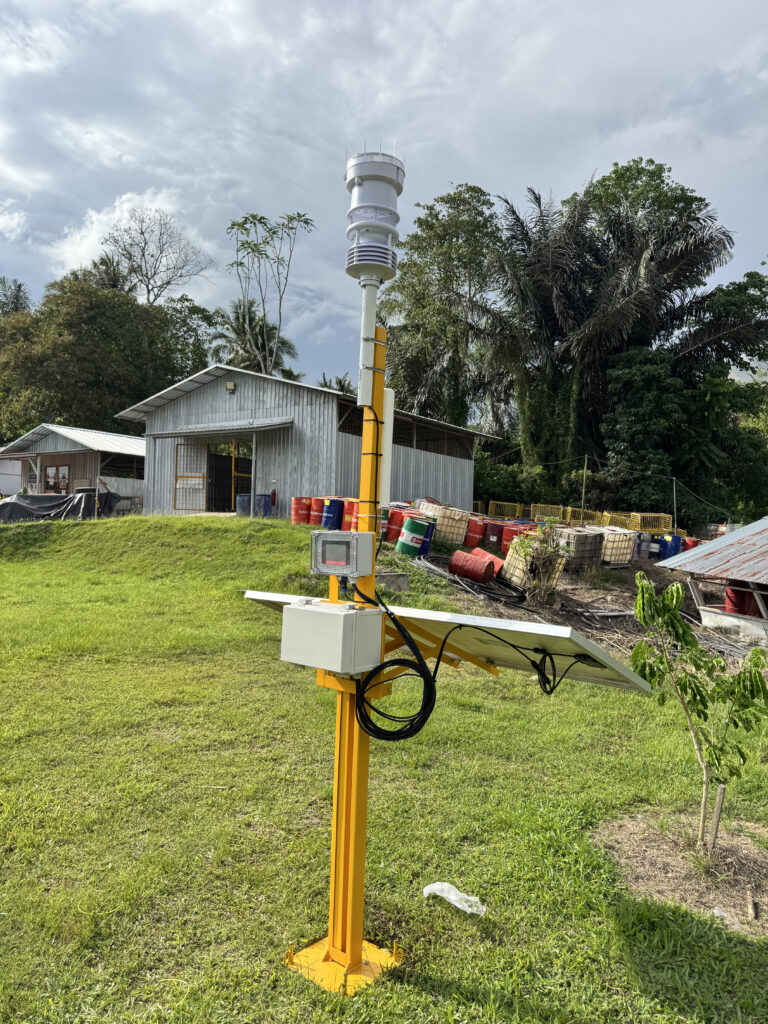
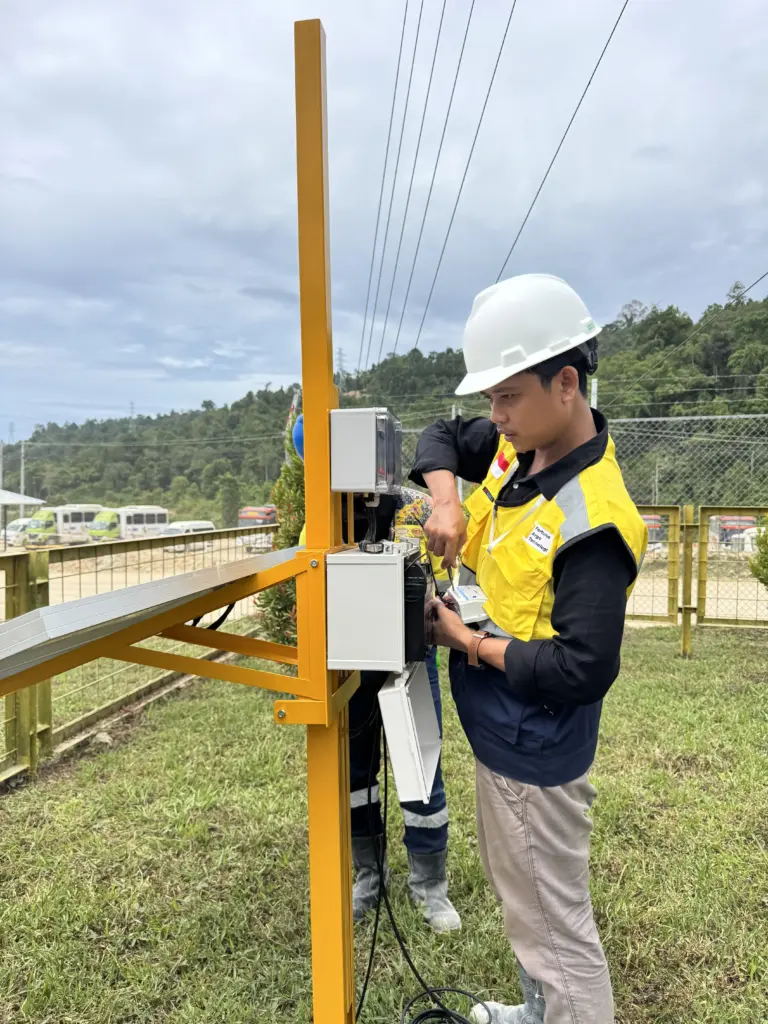
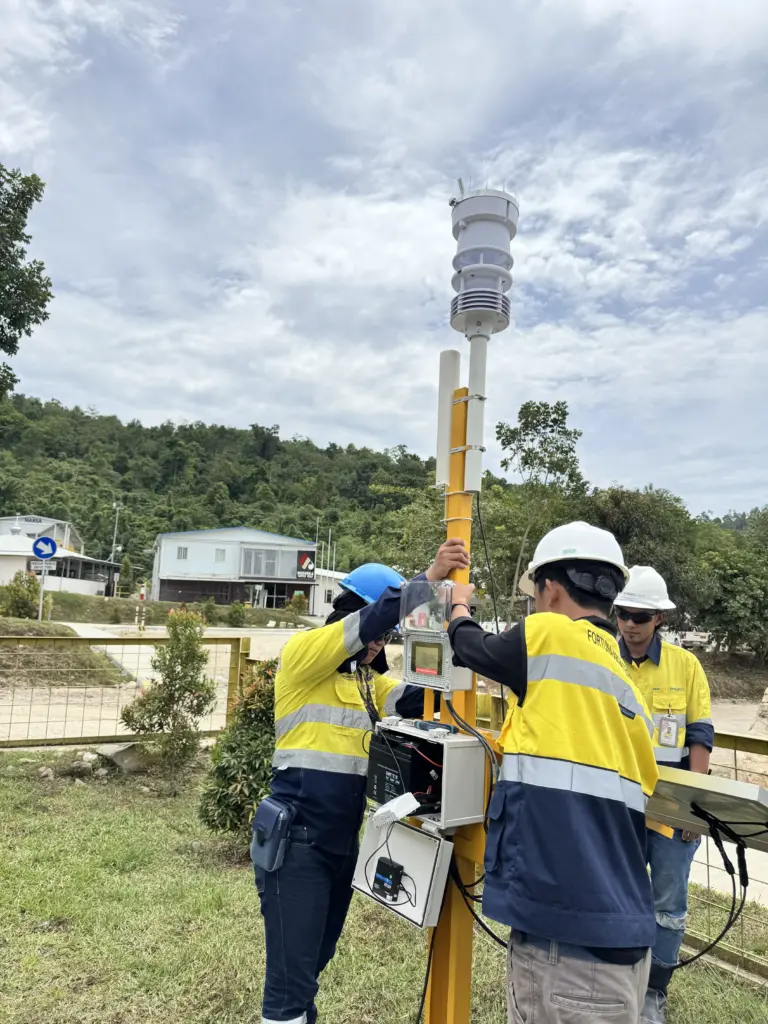
Weather Station is an automatic weather monitoring system designed to read local weather conditions in real time. On Fortuna Argatech’s official website, Weather Station is described as a device that measures rainfall, temperature, humidity, wind speed, wind direction, and UV. Argatech places it under the Climate Monitoring category.
This matters because weather can change quickly. Data sent to a dashboard helps teams understand field conditions without relying only on manual observation.
What is a Weather Station?
A Weather Station is an automatic station that collects meteorological data from one location. In simple terms, it reads weather parameters, sends the data to a monitoring platform, and displays it as charts or trends.
Argatech says the system can help with local forecasting and support decision-making in mining, plantations, infrastructure projects, and hydrometeorological risk mitigation.
How a Weather Station works
Sensors read weather variables
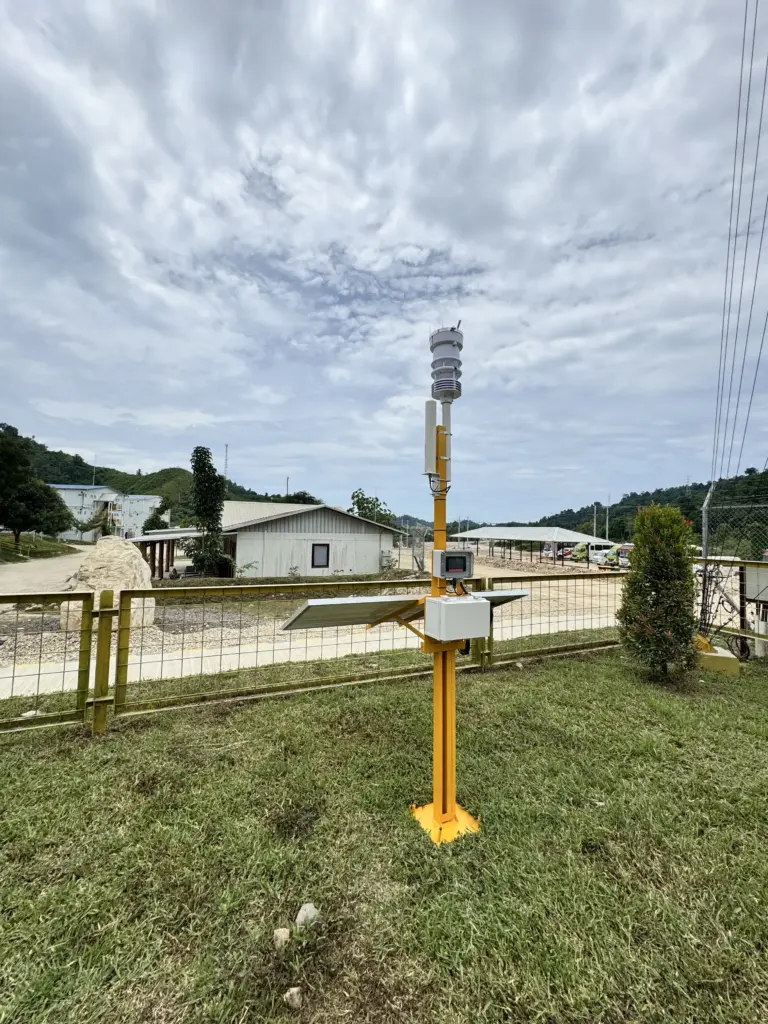
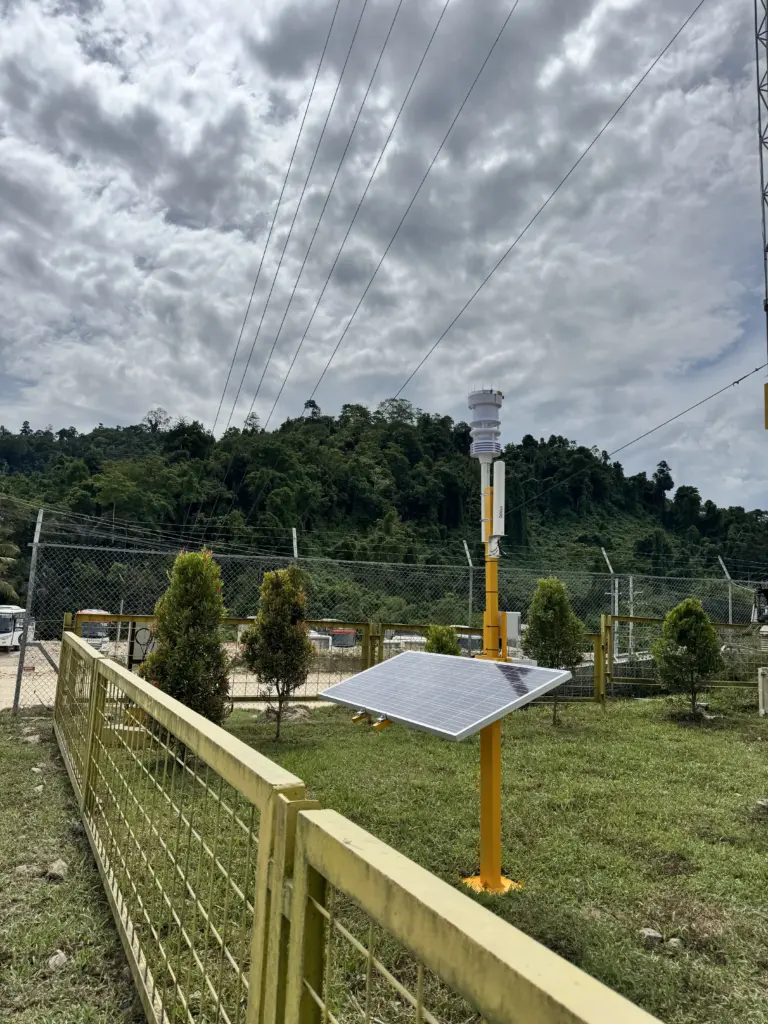
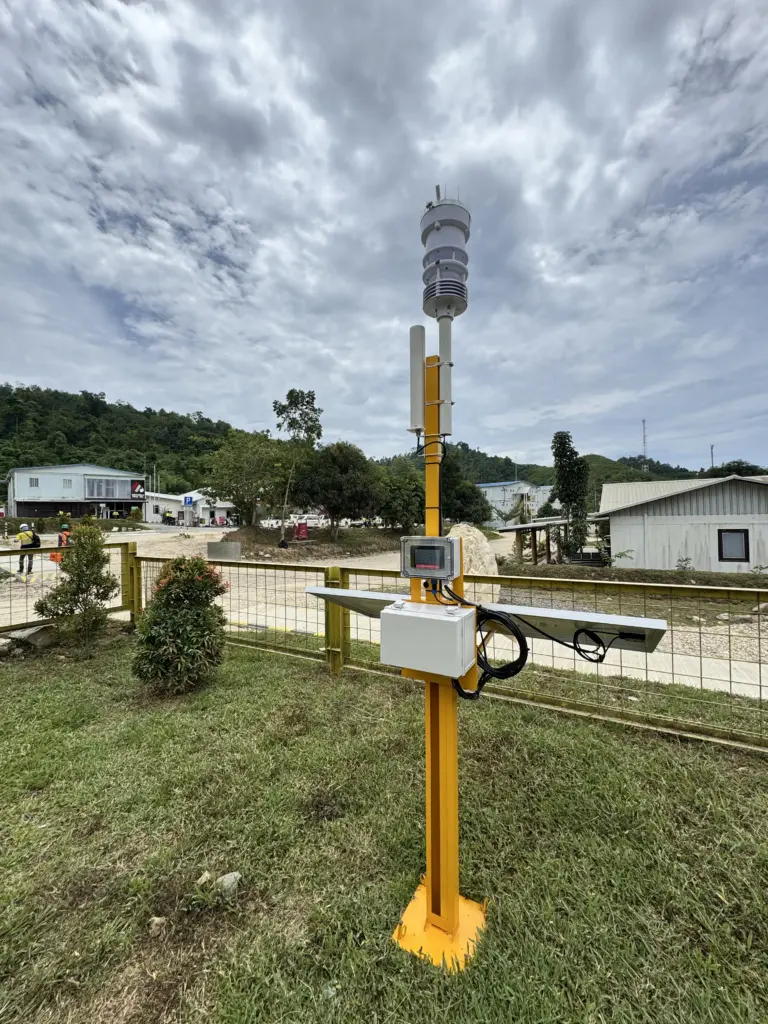
Sensors are installed in an open location that represents the surrounding area. They measure rainfall, air temperature, humidity, wind speed, wind direction, and light or UV intensity.
Data is sent to the monitoring system
After measurement, the data is sent to a dashboard or monitoring platform. This allows users to review weather conditions remotely.
Charts help with analysis
The data is displayed as charts or trends so it is easier to compare over time. That helps identify unusual weather changes.
Thresholds can support alerts
If a parameter crosses the defined limit, the system can help the team respond faster. That is important for field operations and risk readiness.
Common parameters
On Argatech’s official page, Weather Station monitors:
- rainfall
- air temperature
- humidity
- wind speed
- wind direction
- UV or sunlight intensity
Argatech also shows an all-in-one sensor that covers temperature, humidity, air pressure, wind, rainfall, and light.
Why Weather Station matters
NOAA’s JetStream explains that accurate weather information is important for understanding the atmosphere, safety, and decision-making. That matches the role of Weather Station: it provides local data that helps teams read conditions quickly.
Its main benefits are:
- real-time local weather monitoring
- better operational planning
- trend analysis support
- stronger hydrometeorological risk mitigation
- easier reporting and evaluation
Where Weather Station is used
Weather Station fits locations that need routine weather data, such as mining sites, plantations, infrastructure projects, and areas exposed to extreme weather.
If your needs are broader, Argatech also offers ONLIMO, AQMS, SPARING, and AWLR.
Conclusion
Weather Station helps teams read local weather conditions with cleaner, faster, and easier-to-monitor data. For field operations, its main value is better timing for decisions.n mudah dipantau. Untuk operasi lapangan, nilai terbesarnya ada pada keputusan yang lebih tepat waktu.
FAQ
What is a Weather Station?
A Weather Station is an automatic station used to monitor local weather conditions.
What does it measure?
Rainfall, air temperature, humidity, wind speed, wind direction, and UV.
What does a Weather Station do?
It helps teams read local weather in real time and support operational decisions.
Is it suitable for industry?
Yes, especially for mining, plantations, and infrastructure projects.
What is the difference between Weather Station and AQMS?
Weather Station focuses on weather, while AQMS focuses on air quality.
Sources
- Fortuna Argatech. (no date). Weather Station – Fortuna Argatech. https://argatech.com/produk/weather-station/
- Fortuna Argatech. (no date). Climate Monitoring – Fortuna Argatech. https://argatech.com/kategori-produk/climate-monitoring/
- Fortuna Argatech. (no date). Products – Fortuna Argatech. https://argatech.com/produk/
- NOAA National Weather Service. (27 October 2023). JetStream. https://www.weather.gov/jetstream/weather
Share this article
Share this insight with your team.
Related Articles
Similar topics from the same category.
Poor weather station placement can cause 50% data bias. Learn the WMO-No. 8 and Indonesian BMKG siting standards for AWS sensors in industrial and mining sites.
Explore a technical engineering comparison between solid-state ultrasonic anemometers and mechanical cup-and-vane sensors for industrial weather stations.

Technical guide to conductivity sensors: comparing toroidal (inductive), 2-electrode, and 4-electrode contacting probes for industrial water and wastewater.