AQMS: How Air Quality Monitoring Works
AQMS is a real-time IoT air quality monitoring system. This article explains how it works, what it measures, and why it matters.
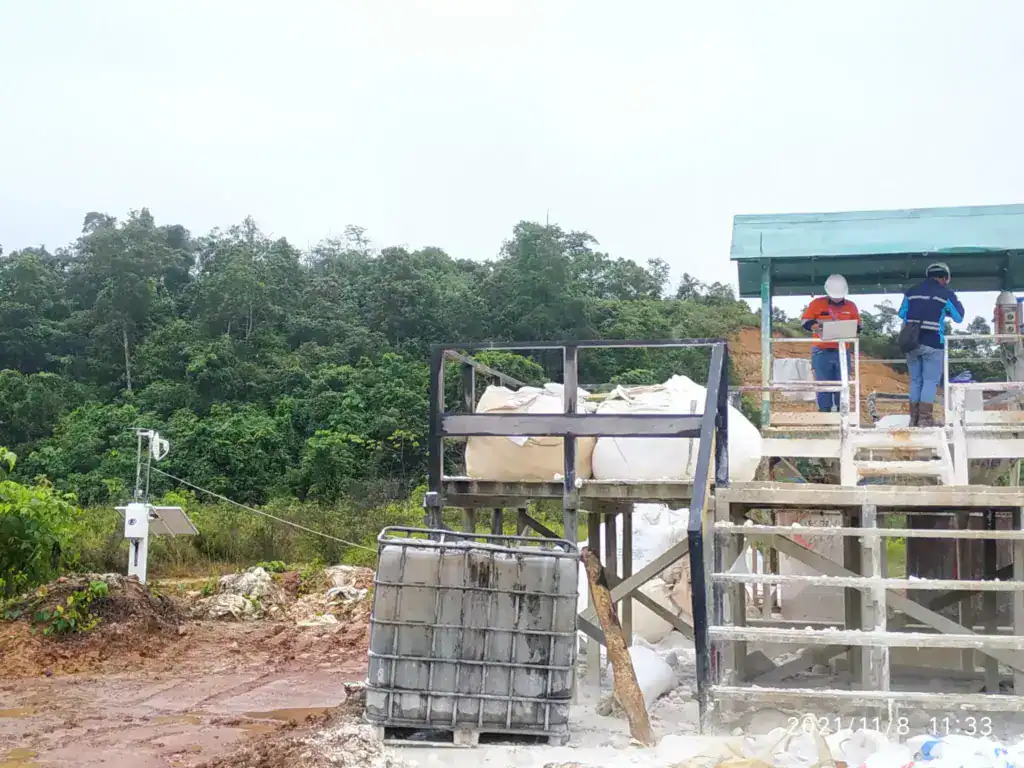
AQMS is an air quality monitoring system designed to read air conditions in real time. On Fortuna Argatech’s official website, AQMS is described as an IoT-based air quality monitoring system for industrial areas. It helps companies see air quality trends, manage thresholds, and respond faster when values exceed the set limit.
When air quality changes, the impact can affect health, operations, and environmental compliance. That is why a system like AQMS matters in places that need clear and easy-to-read air data.
What is AQMS?
AQMS stands for Air Quality Monitoring System. In simple terms, it reads air conditions, sends the data to a dashboard, and displays trends or charts so teams can understand the situation quickly.
On Argatech’s official page, AQMS is linked to particulate matter, pollutant gases, and meteorological parameters. That means the system looks at more than one reading and gives a broader view of air conditions.
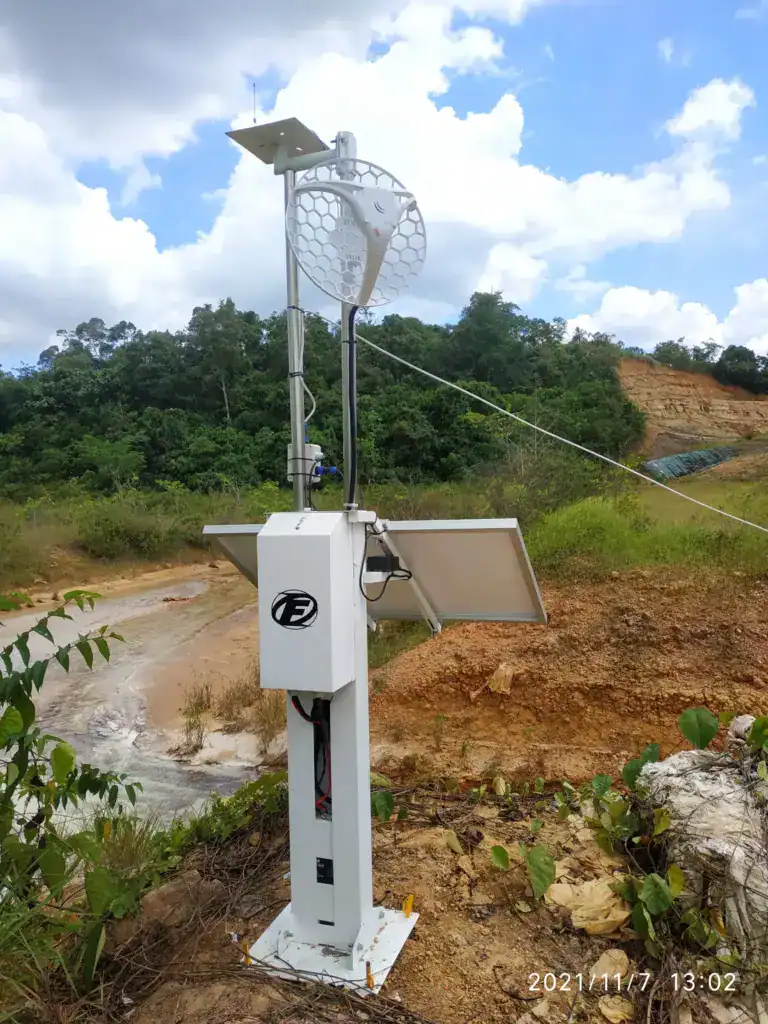
How AQMS works
Sensors read the air
Sensors are installed at the monitoring site. They measure parameters based on the site configuration, such as particulate matter, pollutant gases, and weather-related variables.
Data is sent online
The measurement results are sent to a server or monitoring application. This allows operators to supervise the data remotely.
The dashboard shows trends
Incoming data is turned into charts or trends. That helps operators see whether the air quality is stable or getting worse.
Thresholds trigger response
If values go beyond the set limit, the system helps teams respond faster. This supports mitigation and reporting.
Common parameters
On Argatech’s official page, AQMS monitors:
- PM2.5
- PM10
- PM100
- pollutant gases such as SO2, CO2, O3, NO3, NO, and HC
- meteorological parameters such as wind speed, wind direction, humidity, temperature, solar radiation, and rain intensity
For scientific context, the US EPA explains that fine particles such as PM2.5 and PM10 are part of particle pollution and can affect health. That makes these parameters relevant for industrial and environmental monitoring.
Why AQMS matters
AQMS is useful because air quality can change quickly. Dust, smoke, industrial activity, and weather conditions can all affect readings. With continuous monitoring, changes are easier to detect.
Its main benefits are:
- real-time air quality monitoring
- faster change detection
- better reporting and evaluation
- easier remote supervision
- earlier mitigation action
Where AQMS is used
AQMS fits industrial sites, project locations, and areas that need routine air quality oversight. It also works well for teams that rely on dashboards for quicker decision-making.
If your needs are broader, Argatech also offers ONLIMO, SPARING, AWLR, and Weather Station.
Conclusion
AQMS helps teams monitor air quality with cleaner, faster, and easier-to-read data. For industry, its main value is faster response and more consistent oversight.
FAQs
What is AQMS?
AQMS is an Air Quality Monitoring System.
What does AQMS monitor?
Particulate matter, pollutant gases, and meteorological parameters.
What does AQMS do?
It monitors air quality in real time and helps teams respond faster.
Is AQMS suitable for industry?
Yes, especially where routine air oversight is needed.
What is the difference between AQMS and Weather Station?
AQMS focuses on air quality and pollutants, while Weather Station focuses on weather.
Sources
- Fortuna Argatech. (no date). Air Quality Monitoring System (AQMS) – Fortuna Argatech. https://argatech.com/produk/air-quality-monitoring-system-aqms/
- Fortuna Argatech. (no date). Environment Monitoring – Fortuna Argatech. https://argatech.com/kategori-produk/environment-monitoring/
- Fortuna Argatech. (no date). Products – Fortuna Argatech. https://argatech.com/produk/
- US EPA. (30 May 2025). Particulate Matter (PM) Basics. https://www.epa.gov/pm-pollution/particulate-matter-pm-basics
Share this article
Share this insight with your team.
Related Articles
Similar topics from the same category.
Poor weather station placement can cause 50% data bias. Learn the WMO-No. 8 and Indonesian BMKG siting standards for AWS sensors in industrial and mining sites.
Explore a technical engineering comparison between solid-state ultrasonic anemometers and mechanical cup-and-vane sensors for industrial weather stations.

Technical guide to conductivity sensors: comparing toroidal (inductive), 2-electrode, and 4-electrode contacting probes for industrial water and wastewater.