SPARING: How It Works and Why Wastewater Monitoring Matters
SPARING is a continuous wastewater monitoring system connected to a network. Learn how it works, what it does, and why it matters.
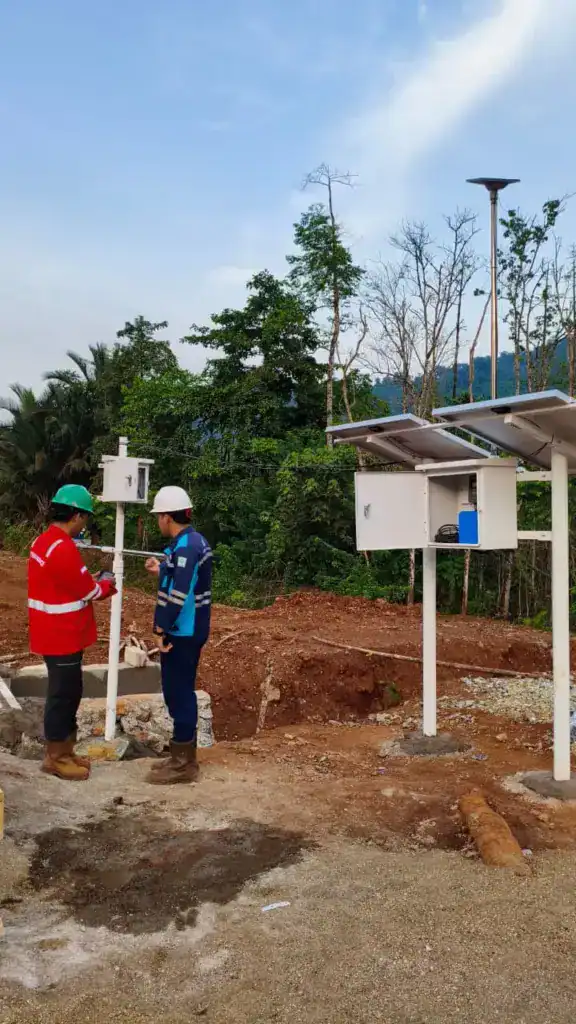
SPARING stands for Sistem Pemantauan Kualitas Air Limbah Secara Terus Menerus dan Dalam Jaringan. In simple terms, it is a wastewater monitoring system designed to track water quality continuously and connect the data through a network.
In Fortuna Argatech’s WordPress export, SPARING appears both as a product and as part of an installation project, including a mining SPARING and AWLR project for PT. Teknik Alum Service. That shows the system is used in real field applications related to environmental and industrial monitoring.
This image helps readers recognize SPARING as a monitoring solution rather than a standalone measuring tool.
In practice, systems like SPARING matter because manual checks alone are often not enough to maintain consistent monitoring. With continuous monitoring, technical teams can spot changes earlier and respond when values move outside the expected range.
What is SPARING?
SPARING is a wastewater quality monitoring system that works continuously and through a network. That means measurements are not only taken occasionally; they are sent and reviewed on a regular or real-time basis, depending on the system setup.
The term is commonly used in environmental oversight, especially where industries need to keep wastewater conditions under control.
Why does SPARING matter?
Poorly monitored wastewater can create environmental and operational risks. A system that monitors continuously helps teams understand conditions sooner and maintain more disciplined control.
Main functions of SPARING
1. Monitoring wastewater quality
The main role of SPARING is to monitor wastewater quality parameters continuously. This helps teams see actual conditions without relying only on infrequent manual checks.
2. Providing network-connected data
Because the system works “through a network,” data can be sent to a monitoring platform. That makes remote supervision easier.
3. Supporting compliance and control
SPARING helps companies or facility operators keep environmental monitoring documented and consistent.
4. Enabling faster response
If wastewater values begin to shift, operators can inspect the issue or take corrective action sooner.
How SPARING works
Measurement happens at the monitoring point
The system is installed at a point relevant to the wastewater flow or discharge. The goal is to capture conditions that represent the real situation.
Data is sent to the system
The measurement results are transmitted through a network connection. This is what allows continuous monitoring.
Data is displayed for review
Technical teams review the data on a dashboard or other monitoring interface. From there, trends can be compared over time.
Follow-up action is taken when needed
If the data shows values outside the target range, the team can inspect, repair, or apply other control measures.
SPARING in Fortuna Argatech projects
In the WordPress export, SPARING appears in a mining installation project with AWLR at PT. Teknik Alum Service. That gives a practical signal that the system is used in the field as part of water and environmental monitoring solutions.
Although the technical specifications are not fully detailed in the source reviewed, the project trail is enough to show that SPARING is a relevant monitoring product for industrial needs.
Benefits of SPARING
- more consistent wastewater monitoring
- easier review through network-connected data
- better environmental oversight documentation
- faster corrective action
- suitable for industrial monitoring needs
When is SPARING most useful?
In industrial areas
SPARING is useful where wastewater is produced and routine monitoring is required.
In projects that need continuous data
If operators need to review data over time, this system helps keep monitoring structured.
In environmental documentation workflows
Because the data is network-connected, monitoring is easier to record and trace.
Conclusion
SPARING is a continuous wastewater monitoring system connected to a network. It matters because it supports environmental oversight, speeds up response, and keeps monitoring consistent.
For industrial use, this kind of system provides practical value: easier monitoring, faster action, and better environmental control.
FAQs
What does SPARING stand for?
Sistem Pemantauan Kualitas Air Limbah Secara Terus Menerus dan Dalam Jaringan.
What does SPARING do?
It monitors wastewater quality continuously.
Does SPARING work in real time?
It can, depending on the system setup.
Is SPARING suitable for industry?
Yes, especially for wastewater oversight.
Sources
- Fortuna Argatech. SPARING (Sistem Pemantauan Kualitas Air Limbah Secara Terus Menerus dan Dalam Jaringan). https://www.ewslongsor.id/
- Fortuna Argatech. Instalasi 1 Unit SPARING Pertambangan & 1 Unit Debit AWLR PT. Teknik Alum Service. https://www.ewslongsor.id/portofolio/instalasi-sparing-awlr-pertambangan-di-morowali-pt-teknik-alum-service/
Share this article
Share this insight with your team.
Related Articles
Similar topics from the same category.

Poor weather station placement can cause 50% data bias. Learn the WMO-No. 8 and Indonesian BMKG siting standards for AWS sensors in industrial and mining sites.

Explore a technical engineering comparison between solid-state ultrasonic anemometers and mechanical cup-and-vane sensors for industrial weather stations.

Technical guide to conductivity sensors: comparing toroidal (inductive), 2-electrode, and 4-electrode contacting probes for industrial water and wastewater.