AWLR: How It Works and Why Water Level Monitoring Matters
An AWLR helps monitor water levels automatically to support flood readiness and river flow analysis. Learn how it works and why it matters.
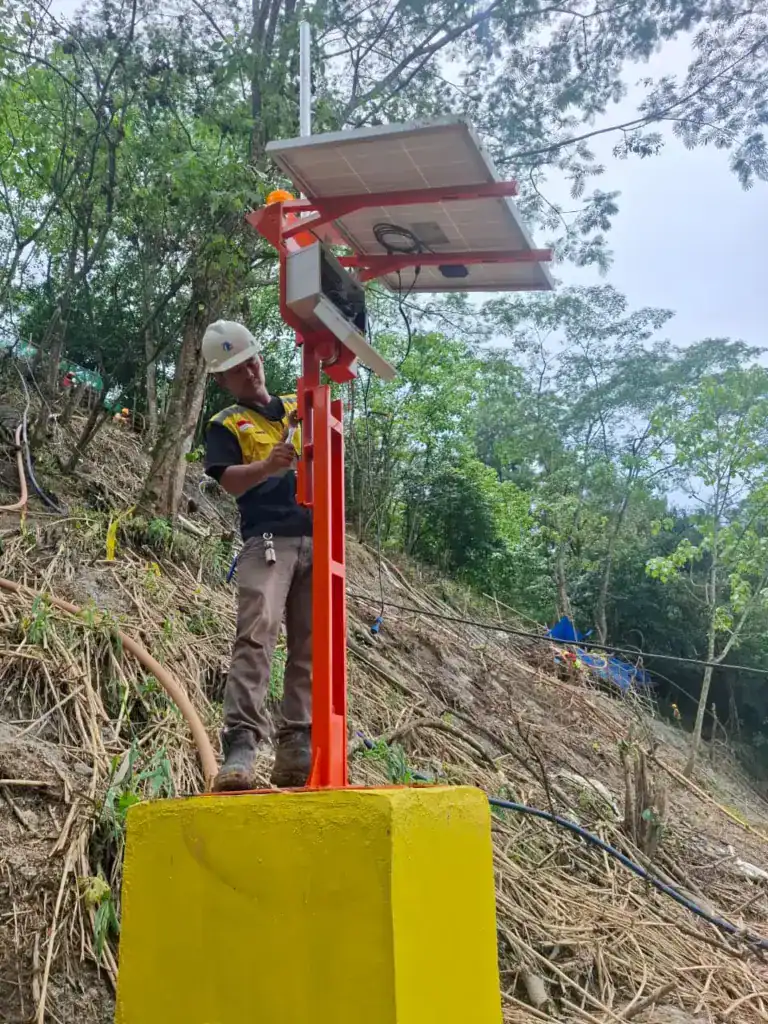
AWLR stands for Automatic Water Level Recorder. In simple terms, it is used to monitor and record water levels automatically. In Fortuna Argatech’s WordPress export, AWLR appears in a project installation at PT Hutama Karya Infrastruktur and in a sensor product described as a high-accuracy radar AWLR sensor for flood monitoring and river flow analysis.
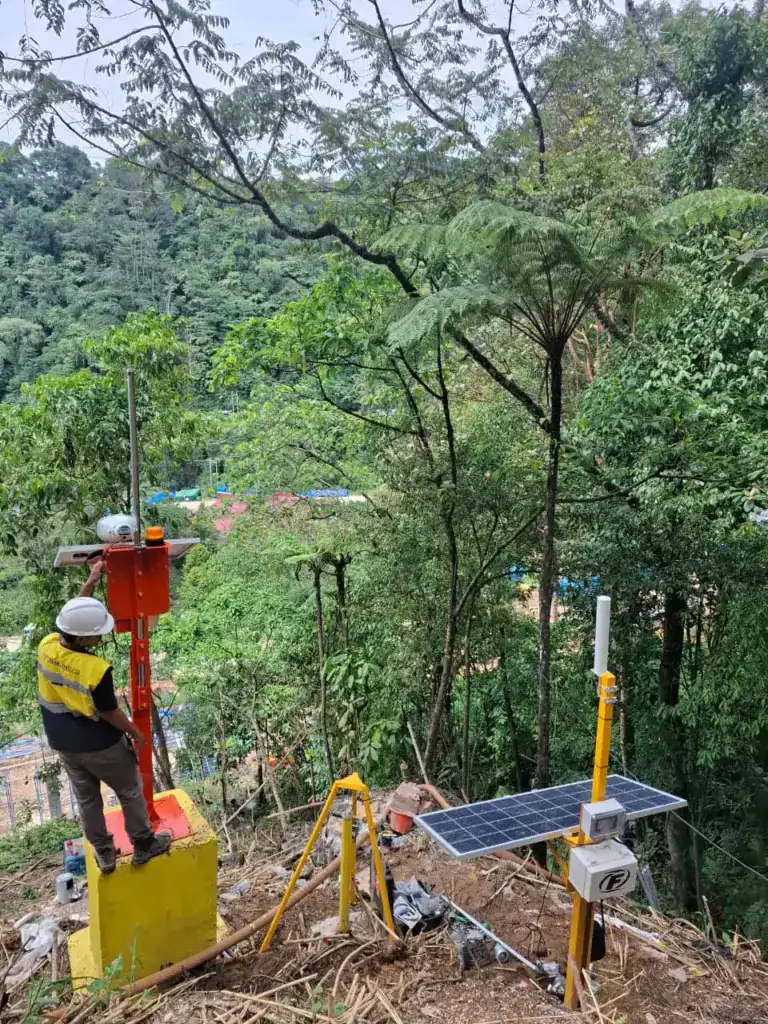
In practice, AWLR matters because water level changes can be an early sign of dangerous conditions, especially during heavy rain or high river discharge. With automatic monitoring, technical teams can read trends faster and rely less on manual checks.
What is AWLR?
AWLR is an automatic water level recording system. The data it produces helps operators review how water levels change over time and use that information for monitoring, warnings, or analysis.
In Fortuna Argatech, AWLR also appears in an installation combined with SPARING and debit AWLR. That shows AWLR can be part of a larger connected monitoring solution.
Why does AWLR matter?
Rivers, channels, and flood-prone areas need consistent monitoring. If rising water levels are detected too late, the response will also be late. AWLR helps speed up field awareness.
Main components of AWLR
1. Water level sensor
This sensor reads changes in water level at the monitoring point. In the export, one AWLR product is described as a high-accuracy radar sensor.
2. Data logging unit
Measurement data is stored or forwarded to a recording system so changes can be reviewed later.
3. Communication and monitoring
Sensor data can be sent to a monitoring platform, allowing operators to review the trend without being on site all the time.
4. Monitoring dashboard
The dashboard helps teams read data as numbers, charts, or alert status. That makes action easier and faster.
How AWLR works
The sensor reads the water level
AWLR starts by measuring the water level at a defined point.
Data is sent to the system
The reading is then forwarded to a recording or monitoring system.
Trends are displayed
Incoming data is shown so operators can see whether water levels are rising, stable, or falling.
Follow-up action is taken when needed
If the trend shows unsafe conditions, the team can verify the site or take control measures.
When is AWLR most useful?
During the rainy season
AWLR is especially useful when heavy rain can quickly change water levels.
In flood-prone locations
Rivers, channels, and flood monitoring points need consistent readings.
In water infrastructure projects
AWLR helps project operators understand water conditions in areas affected by flow or runoff.
AWLR in Fortuna Argatech solutions
In the WordPress export, AWLR appears in a project installation at PT Hutama Karya Infrastruktur. It also appears in a combined installation with SPARING and debit AWLR at PT. Teknik Alum Service. In addition, the grd-900 - water level elevation velocity sensor module awlr page shows that Fortuna Argatech also presents a radar-based AWLR sensor for flood monitoring and river flow analysis.
This shows that AWLR is not just a single device. It is part of a monitoring workflow that supports faster decisions.
Benefits of AWLR
- automatic water level monitoring
- better flood preparedness
- support for river flow analysis
- faster response when water rises
- easier field documentation
Conclusion
AWLR matters because water level changes are often an early indicator of flood risk or changing river conditions. With an automatic system, teams can monitor trends more consistently and act sooner.
For field use, AWLR offers practical value: cleaner data, faster supervision, and better readiness.
FAQs
What does AWLR stand for?
Automatic Water Level Recorder.
What does AWLR do?
It monitors and records water levels automatically.
Is AWLR useful for flood monitoring?
Yes, because it helps detect rising water levels earlier.
Do all AWLR systems use radar?
Not always. The export includes a radar-based AWLR example, but systems can vary.
Share this article
Share this insight with your team.
Related Articles
Similar topics from the same category.
Poor weather station placement can cause 50% data bias. Learn the WMO-No. 8 and Indonesian BMKG siting standards for AWS sensors in industrial and mining sites.
Explore a technical engineering comparison between solid-state ultrasonic anemometers and mechanical cup-and-vane sensors for industrial weather stations.

Technical guide to conductivity sensors: comparing toroidal (inductive), 2-electrode, and 4-electrode contacting probes for industrial water and wastewater.