Ultrasonic Flow Sensor: 5 Essential Open Channel Features
An Ultrasonic Flow Sensor is crucial for measuring open water channels precisely. Discover its 5 essential features from Fortuna Argatech.
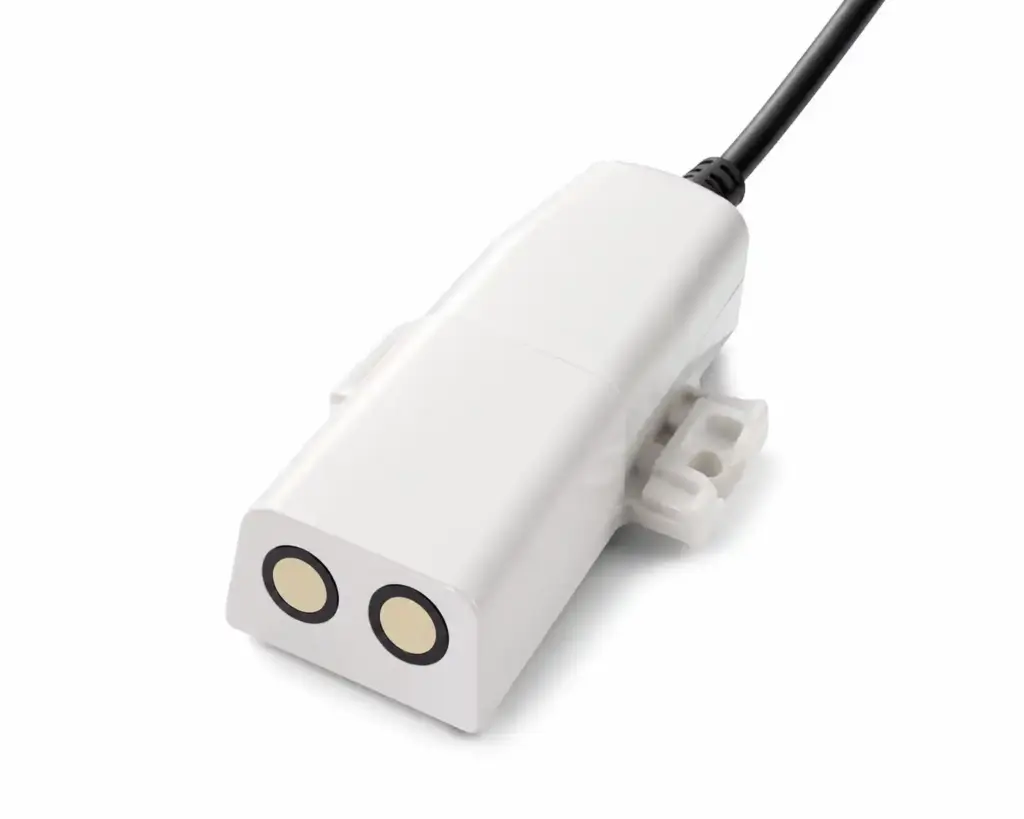
Utilizing an Ultrasonic Flow Sensor has firmly become a mandatory standard in water resource management and wastewater treatment. Infrastructure managers frequently struggle to measure flow volumes accurately in open channels like rivers, irrigation canals, or factory discharge trenches. Traditional mechanical measuring tools frequently become totally jammed by floating debris and heavy mud. Therefore, heavy industries are decisively switching to high-precision sound wave technology to instantly acquire highly accurate real-time data.
Poor water management practices routinely trigger localized flooding disasters or massive agricultural irrigation failures. Global environmental agencies continually push for the comprehensive digitalization of national hydrological monitoring networks. Gross miscalculations regarding industrial wastewater volumes easily trigger severe pollution fines from agencies like the EPA. Smart telemetry instruments brilliantly eliminate catastrophic human errors during critical hydrological data logging.
However, not all flow measurement instruments are created equally robust and highly accurate. Below are 5 absolutely essential features that modern hydrological measuring devices must possess.
1. Highly Accurate Non-Contact Doppler Technology
Conventional hydrological instruments heavily utilize mechanical propellers that must remain completely submerged and break easily. A modern Ultrasonic Flow Sensor brilliantly utilizes the Doppler effect principle to accurately measure fluid velocity. This advanced tool emits high-frequency sound waves that instantly bounce off tiny suspended particles flowing inside the water. The rapidly reflected waves are deeply analyzed to produce extraordinarily precise water velocity data continually.
This sophisticated technology allows the smart sensor to read water flows without possessing any fragile moving mechanical components. The instrument’s total durability lifespan becomes massively extended, and mechanical repair budgets are successfully pushed to the absolute minimum.
2. Advanced Open Channel Discharge Capability
Many industrial sensors merely function correctly inside pressurized closed pipe environments exclusively. However, an industrial-grade Ultrasonic Flow Sensor capably calculates flowing volumes accurately within irregular open channels. This intelligent instrument seamlessly combines a rapid water velocity sensor directly with a highly sensitive water depth sensor.
The internal microcomputer accurately calculates the wet cross-sectional area based on actual depths and powerfully multiplies it by the average velocity. The precise result delivers volumetric discharge data that is highly crucial for global meteorological organizations like the WMO.
3. Seamless Wireless Telemetry Datalogger Integration
Even the most extraordinarily precise measurement tool remains utterly useless without rapid automated data transmission. A professional hydrological sensor must connect flawlessly with a robust wireless telemetry datalogger unit. All recorded volumetric water flow data must transmit instantly toward the centralized cloud server without any networking interruptions.
Civil engineers and factory managers can effortlessly access daily water discharge graphs straight through their computer screens. Strategic managerial decisions regarding vital water distribution adjustments can be decisively executed within mere seconds.
4. Heavy-Duty Industrial Anti-Corrosion Protection
Industrial wastewater discharge channels frequently contain highly corrosive acidic chemical compounds continuously. The Ultrasonic Flow Sensor must definitely be engineered utilizing specialized polymer materials or heavy-grade stainless steel. This protective outer shell guarantees the delicate internal electronic circuits completely survive while deeply submerged in extremely filthy water.
Fortuna Argatech coats its advanced ultrasonic sensors with the absolute highest IP68 protection ratings confidently. This resilient tool guarantees flawless operational performance relentlessly, even when buried underneath thick mud sediments along the riverbed.
5. Independent Solar Power Supply System
Strategic hydrological monitoring points are frequently located in deeply remote rural areas completely lacking main electrical grids. Therefore, these precision instruments absolutely must possess an extremely energy-efficient power management architecture. Modern sensors must strictly remain fully compatible with independent solar panel installations and internal storage battery networks.
This total energy independence firmly guarantees that vital water discharge monitoring will never suddenly stop during massive thunderstorms. Capturing extreme water flow data during heavy rainy seasons remains incredibly critical as an early flood warning system for nearby communities.
FAQ
What exactly is an Ultrasonic Flow Sensor?
An Ultrasonic Flow Sensor is an advanced electronic device that expertly uses high-frequency sound waves to measure fluid velocity and calculate flowing water volumes without relying on moving mechanical parts.
How does this technology differ from standard propeller flow meters?
Mechanical propeller meters must be physically submerged, frequently catch floating trash, and wear out extremely fast. Ultrasonic sensors measure fluid velocity electronically and will absolutely never become jammed by thick debris.
Can this tool be safely installed in highly acidic factory wastewater outfalls?
Absolutely. Industrial instruments designed by Fortuna Argatech are heavily coated with anti-corrosive materials, making them highly capable of measuring harsh industrial wastewater flows accurately.
How does this intelligent device actually calculate the water discharge (m3/second)?
This sophisticated sensor measures two critical metrics simultaneously: flowing water velocity (using Doppler ultrasonics) and actual water depth. The telemetry datalogger then automatically calculates the total flowing volume based on the channel’s specific area.
Can this advanced sensor be deployed in remote rivers without electricity?
Definitely. The wireless telemetry systems manufactured by Fortuna Argatech are incredibly energy-efficient and purposely engineered to run completely utilizing standalone solar panels and storage batteries.
Sources
- Environmental Protection Agency (https://www.epa.gov)
- World Meteorological Organization (https://www.wmo.int)
- Fortuna Argatech (https://argatech.com/telemetry)
Share this article
Share this insight with your team.
Related Articles
Similar topics from the same category.
A Wastewater pH Sensor is absolutely necessary to avoid severe legal sanctions caused by toxic dumping. Read the latest news today.
Sensor Tanah Pertanian dari Fortuna Argatech adalah solusi mutlak untuk irigasi presisi dan panen maksimal. Cegah gagal panen sekarang juga.
Discover how a PDAM Turbidity Sensor saved a water treatment facility from distributing muddy water during extreme floods. A Fortuna Argatech solution.